



Prevention & Food Safety
Cyclospora is a tough parasite that washing alone will not remove. Here is how it survives, which foods carry the highest risk, and the steps that actually lower your chances of getting sick.
During the current outbreak
A multistate outbreak of Cyclosporiasis has been linked to recalled iceberg lettuce grown in central Mexico, sold in many states including Ohio at both retail stores and restaurants. Do not eat recalled iceberg lettuce — check the Situation Report and the current FDA recall notice for details, and throw the product away or return it for a refund. The food-safety steps below help lower your risk from Cyclospora in general.
Why this parasite is hard to remove
Cyclospora cayetanensis is very resilient. In refrigerated foods and fresh produce, it can survive for weeks to months because it forms a protective cyst called an oocyst. Regular washing and standard chemical disinfectants do not kill it. Because of this resistant nature, it survives until the food spoils or dries out.
How it becomes infectious
After leaving a host in a bowel movement, the parasite needs 1-2 weeks in the environment to mature and become infectious. It usually spreads through contaminated irrigation water or through cross-contamination during food preparation — not directly from person to person.
The one thing that reliably kills it
The only sure way to destroy Cyclospora is to cook food to an internal temperature of 158°F (70°C). Rinsing and produce washes reduce dirt and some germs but do not eliminate this parasite.
Which foods are higher or lower risk?
Cyclospora is spread through fresh produce. Some produce is riskier than others, depending on how it is grown, washed, and prepared. Use this as a general guide — and always avoid any recalled product.
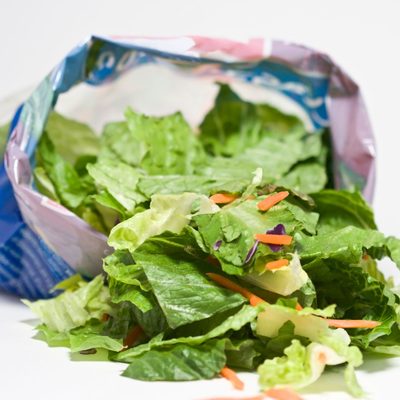
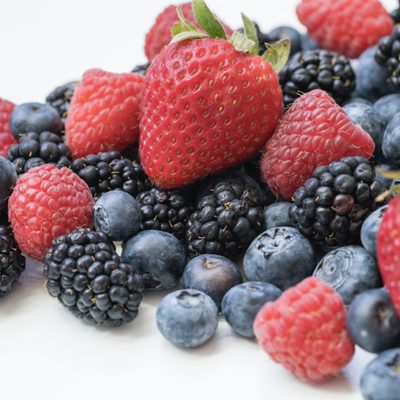
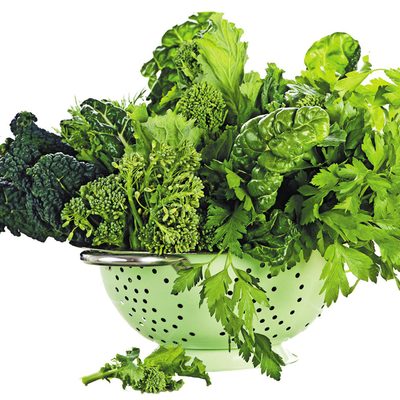
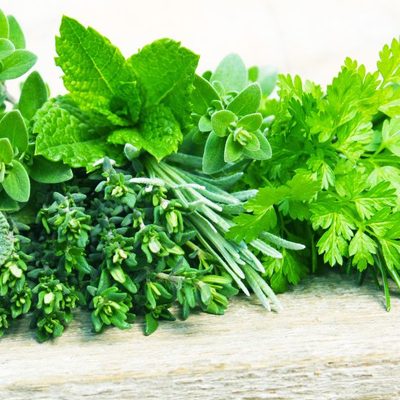
- Unwashed produce
- Bagged lettuce or salad kits
- Foods linked to past cyclospora outbreaks (salad mixes, vegetable trays, coleslaw, raspberries, basil, cilantro, berry mixes, lettuce, snap peas)
- Produce that is hard to wash thoroughly (berries, leafy greens) — small crevices can hide the parasite
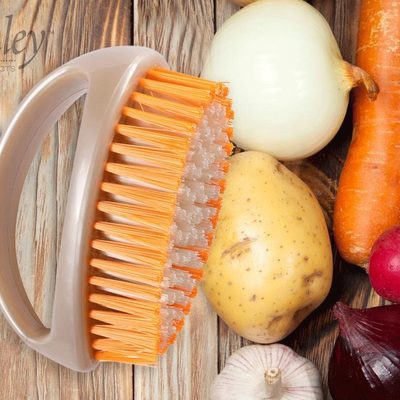

- Thoroughly washed and scrubbed produce, without small crevices, that is not in the categories above (washing reduces but does not eliminate risk)
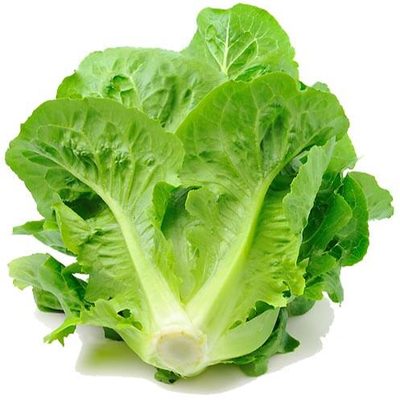
- For lettuce: buy a whole head, remove the outer leaves, then wash
- Produce from local farms*
*Unless the farm is near a large farming operation, where nearby water sources could be contaminated.
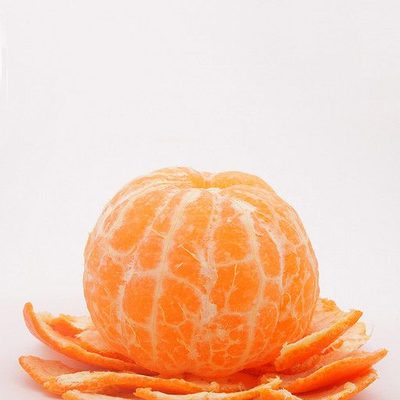

- Produce with the peel removed (bananas, and similar)
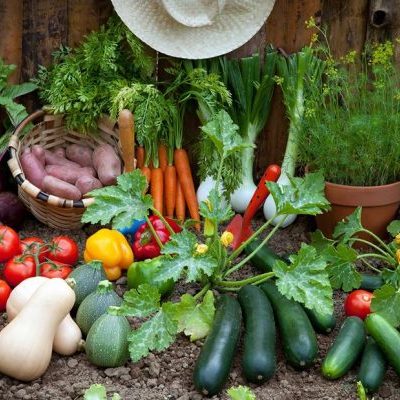
- Produce you grow yourself, using safe water and clean handling
- Cooked produce — cooking to 158°F kills the parasite
How to reduce your risk
- Wash your hands with soap and water before and after handling or preparing raw fruits and vegetables.
- Wash all fruits and vegetables thoroughly under running water before eating, cutting, or cooking.
- Scrub firm produce such as melons and cucumbers with a clean produce brush.
- Refrigerate cut, peeled, or cooked fruits and vegetables within two hours.
- Avoid food or water that may be contaminated with feces (human waste).
A note on washing
Washing is still worthwhile - it removes dirt and other germs - but it cannot be relied on to remove Cyclospora completely. In higher-risk settings, thorough cooking is the dependable safeguard.
Do produce washes work?
Social media often promotes soaking fruits and vegetables in vinegar, baking soda, or commercial produce washes during outbreaks. There is no scientific evidence that these methods destroy or remove the Cyclospora parasite. Rinsing under clean, running water is still recommended because it removes dirt and some contaminants, but only thorough cooking reliably kills the parasite.
Keep eating fruits and vegetables
Public health experts do not recommend cutting fresh produce from your diet. Fruits and vegetables provide fiber, vitamins, and minerals that are important for health. Simply avoid any recalled product, and follow the safe-handling steps above.
Some people need to take extra care during this outbreak — see guidance for higher-risk groups (children, older adults, people with weakened immune systems, and food, childcare, and healthcare workers).
Sources: Cuyahoga County Board of Health fact sheet; Ohio Department of Health, Infectious Disease Control Manual (Section 3: Cyclosporiasis); Penn State Extension; U.S. CDC and U.S. FDA.
Have a food safety or exposure question?
The CCBH Disease Team is available to help residents and businesses.