



Rodents
Program Contacts
Mason Leuthaeuser
Program Manager
216.201.2000 ext 1277
mleuthaeuser@ccbh.net
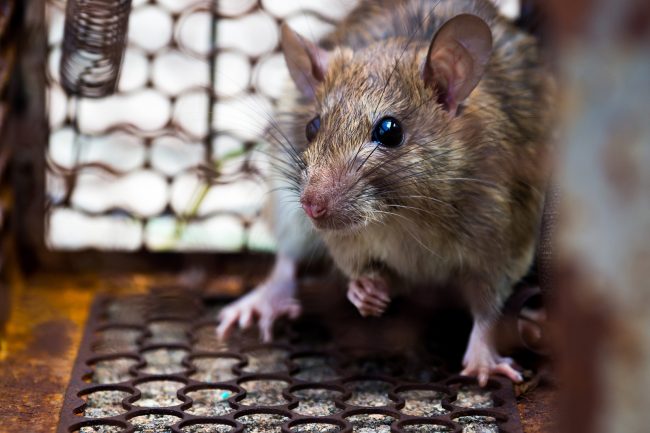
Throughout history, rats and mice have been responsible for transmitting a number of diseases to humans, such as plague, rat bite fever, murine typhus, leptospirosis, and salmonellosis. By assisting residents with rodent control, we can minimize the risk of disease and prevents property damage.
The effective reduction of rodent populations often requires homeowners and communities to work together to eliminate sources of food, water, and harborage. Food sources that often attract rodents to an area include garbage, dog food, dog feces, and bird seed. Potential harborage locations include compost piles, accumulated debris, areas along waterways, in storm or sanitary sewers, and under structures such as garages and sheds.
What we do
Respond to rodent complaints from the public
If you are experiencing rat issues, visit our nuisance complaint page or call 216.201.2000
Survey properties to identify potential rodent harborage areas
Apply an EPA registered rodenticide when needed
We treat exterior areas and sewers only
Interior treatment is the responsibility of the property owner or landlord).
Provide rodent-proofing guidance to help eliminate attractants and harborage areas
Work closely with local community officials to help address property conditions that may be contributing to a rodent infestation
Tips to prevent or reduce rodent activity
Properly store all garbage in sturdy containers with tight-fitting lids.
Store pet food in secure containers.
Remove dog feces from your property as frequently as possible.
Do not place food for birds, squirrels, etc. directly on the ground. Utilize bird feeders that minimize the spillage of seed on to the ground.
Turn compost piles regularly and do not compost food products, such as meat, bones, fats, and oils.
Eliminate needless debris in your yard.
Elevate firewood at least 18 inches off of the ground.
Seal off possible routes of entry to your home or garage. A rat can gain entry through an opening as small as 1/2 inch
Additional Resources
Centers for Disease Control and Prevention – Controlling Rodent Infestations
Click here to view or print an informative pamphlet about rodent control