



Mold and Moisture
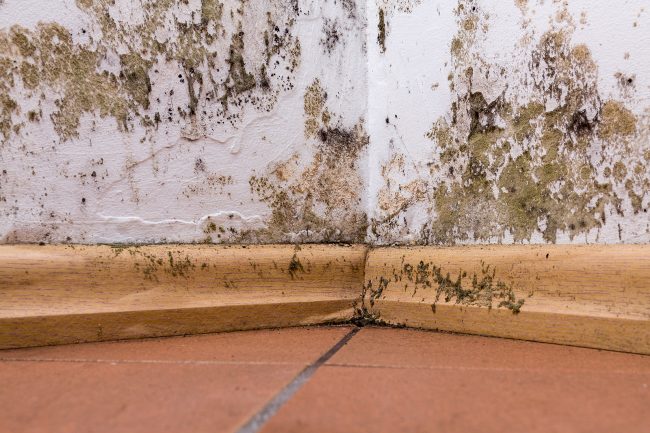
Molds are small fungi that feed on dead plant and animal material. Common sources in the home include wood, drywall, insulation, wallpaper, and dust.
Mold needs moisture to grow. Moisture can enter a home through leaks, flooding, poor ventilation, or everyday activities such as showering and cooking.
If you find mold in your home, locate and fix the source of the water, clean non-absorbent materials and/or remove water-damaged materials. Mold will continue to grow as long as there is continued moisture.
Health Effects
Some people are more sensitive to mold exposure, including infants, children, older adults, individuals with asthma or weakened immune systems.
Symptoms may include runny nose, watery eyes, sore throat, respiratory irritation, worsening asthma. People can react differently to mold exposure.
Standards for mold
There are no federal or state standards or laws that define acceptable mold levels in homes or businesses. Since mold is common in the environment and health effects vary by person, it cannot be determined how much mold is “too much.”
For this reason, our agency does not conduct mold inspections or testing. We do provide educational materials and guidance relating to mold clean-up and prevention.
Mold and Rental Properties
We frequently receive questions about mold in rental properties concerning landlords who have not made timely repairs. For guidance regarding local property maintenance regulations, contact your local building department. A tenant may also have options through legal processes and the court system. Legal advice is avialable from the Legal Aid Society of Cleveland.
Some local building and housing departments will conduct inspections of rental units. When appropriate, our agency may participate in a joint inspection.