



Hantavirus
What is Hantavirus?
Hantavirus belongs to a group of viruses that are carried by rodents such as rats or mice. Humans can become infected with the virus and develop Hantavirus pulmonary syndrome (HPS), a severe and sometimes deadly respiratory condition.

Rat
Is Hantavirus common in Ohio?
- A case has never been reported/confirmed in the state
- Typically, fewer then 30 annual cases are reported nationwide
- Most cases occur in the Southwestern region and on the West coast (Arizona, New Mexico
and California) - The overall risk in Cuyahoga County is very low
How is Hantavirus spread?
When people come in contact with an infected rodent, they can be infected by its urine, droppings or saliva. Infection can occur by breathing in air that is contaminated with the virus, touching the virus sources (nose, eyes or mouth), bites or scratches from rodents/rats, or eating food contaminated with rat feces, urine, or saliva. The Andes strain of the hantavirus is the only one known to cause human-to-human spread (an uninfected person coming into close contact with infected persons).
Symptoms begin in 1-8 weeks and include:
- Fever and Fatigue
- Nausea and Diarrhea
- Stomach pain and Vomitin
- Muscle/Joint Pain
- Headaches, Dizziness and Chills
- Cough and Shortness of Breath
Recovery time is typically 4-10 days after symptom onset. In rare cases, severe HPS with difficulty breathing may occur and can be fatal.
How do I treat my symptoms?
If you develop symptoms and believe you had been in contact with rodents or infected humans, seek medical attention. There is no specific treatment for hantavirus; however, general treatment focuses on supportive care, managing symptoms and hospitalization for severe cases.
How long is a person able to spread Hantavirus?
Human-to-human transmission is rare. One type of the virus has been shown to spread between humans (Andes strain) and this has only been found in specific regions of South America. In general, people may be most contagious when they are experiencing symptoms.
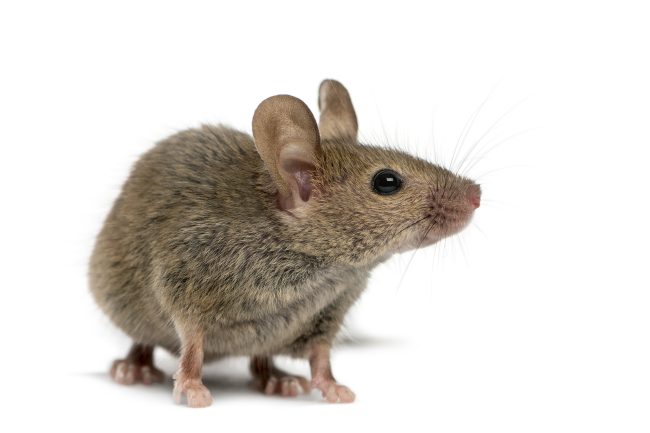
Wood mouse in front of a white background
How do I protect myself from Hantavirus?
- Avoid close contact with rodents such as mice and rats
- Avoid going into old, uninhabited or abandoned structures
- Avoid travel to areas where the illness is endemic
- Use Personal Protective Equipment when dealing with dead mice or rats, or when cleaning areas contaminated with rodent stool, urine, or blood
Resources