


Beekeeping (Apiary) Inspection Program
Program Contacts
Phil Bartosh
Cuyahoga County Apiary Inspector
216.470.0934 or 216.351.6190
sd9990@aol.com
Ashley Ruminski, REHS
Supervisor
216.201.2000 ext. 1225
aruminski@ccbh.net
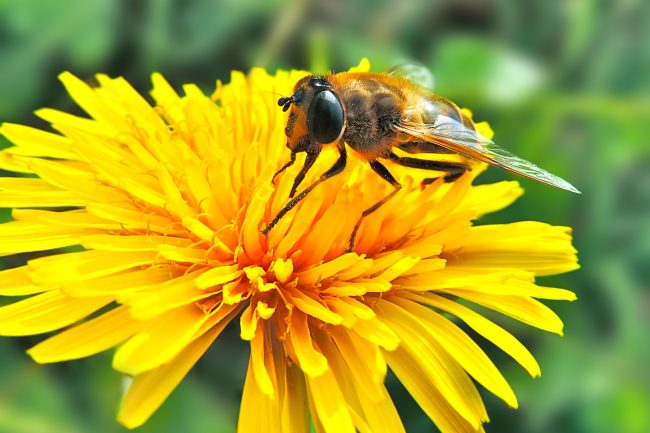
County Apiary Inspectors play a valuable role in protecting our local beekeeping industry. Along with identifying issues related to bee hive design and colony location, a trained inspector can help in identifying potential diseases that could negatively impact, or even wipe out a honey bee colony.
Currently, at least 19 viruses that negatively impact honey bees have been identified in the U.S. Mites and beetles can also harm a bee colony. Varroa mites are responsible for most of the viruses honey bees get. Colony Collapse Disorder (CCD), a phenomenon in which worker bees seem to simply disappear, is also a major concern around the world.
Apiary Inspectors are the first line of defense against honey bee colony pests and diseases. They can also provide a great deal of information and guidance to beekeepers, whether they are novices or well versed in apiary management. A study in the State of New York found that American Foulbrood (AFB) rose dramatically in the five years that they suspended their apiary inspection program. Once the program restarted, cases of AFB quickly dropped again. AFB is caused by a spore-forming bacteria that is specific to honey bees. This disease is highly contagious, will weaken and in most cases kill a honey bee colony. AFB will also contaminate beekeeping equipment which must then be destroyed to prevent the spread of AFB to additional colonies. There is no cure for AFB.
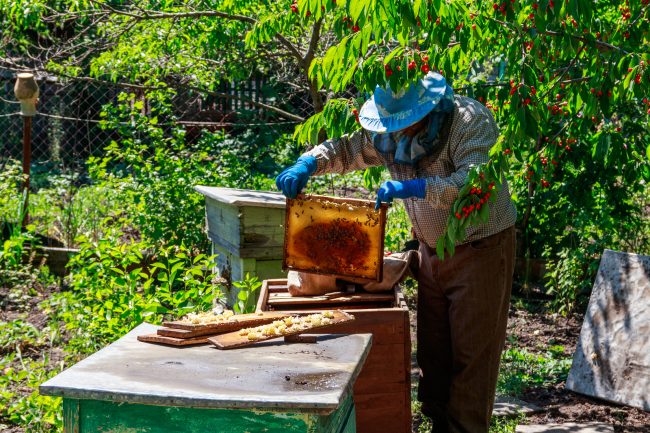
Anyone who owns or possesses bees in the State of Ohio is required to complete an annual registration application by June 1.
To obtain additional program information or to schedule an appointment or inspection, please contact the Cuyahoga County Apiary Inspector directly by phone or e-mail, as listed at the top of this page.
Apiary inspectors do not serve in the role of Commercial Pesticide Applicators or nuisance trappers. Contact a USDA-licensed pest control operator as needed.